
Why Mobile-First?
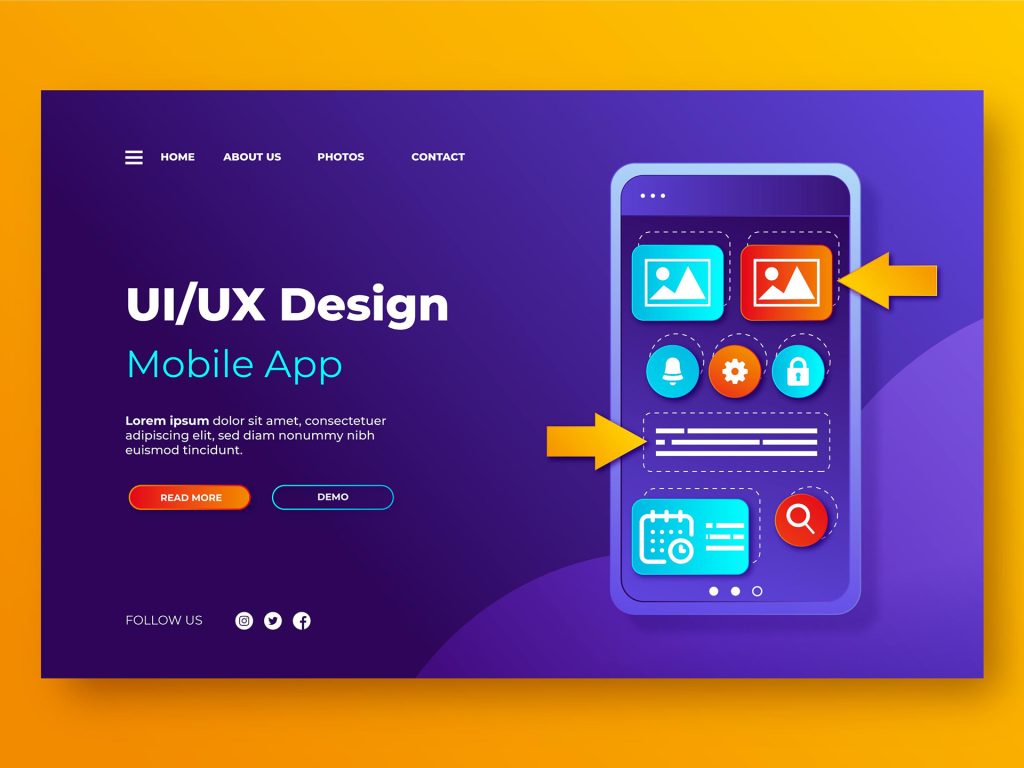
With mobile traffic dominating the web, designing for mobile first ensures the best experience for the majority of users.
Start with Content Priority
Mobile screens have limited space. This forces you to prioritize content and features, resulting in cleaner, more focused designs.
Progressive Enhancement
Start with a solid mobile experience, then enhance for larger screens. This approach ensures core functionality works everywhere.
Touch-Friendly Design
Design for fingers, not cursors. Touch targets should be at least 44×44 pixels, with adequate spacing between interactive elements.
Performance Considerations
Mobile users often have slower connections. Optimize images, minimize JavaScript, and prioritize above-the-fold content.
Responsive Typography
Use fluid typography that scales smoothly across screen sizes. This ensures readability on all devices.
Conclusion
Mobile-first design leads to better experiences for all users. By starting with constraints, you create more focused and efficient designs.
Nice work